IEC62133
IEC 62133-2:2017: Secondary cells for portable applications
Safety requirements for rechargeable lithium cells and batteries used in portable applications. Covers electrical, mechanical, and thermal abuse tests. Commonly used to support the safety half of a CE technical file for battery packs.
- Jurisdiction
- International
- Applies to
- EU UK Global B2B
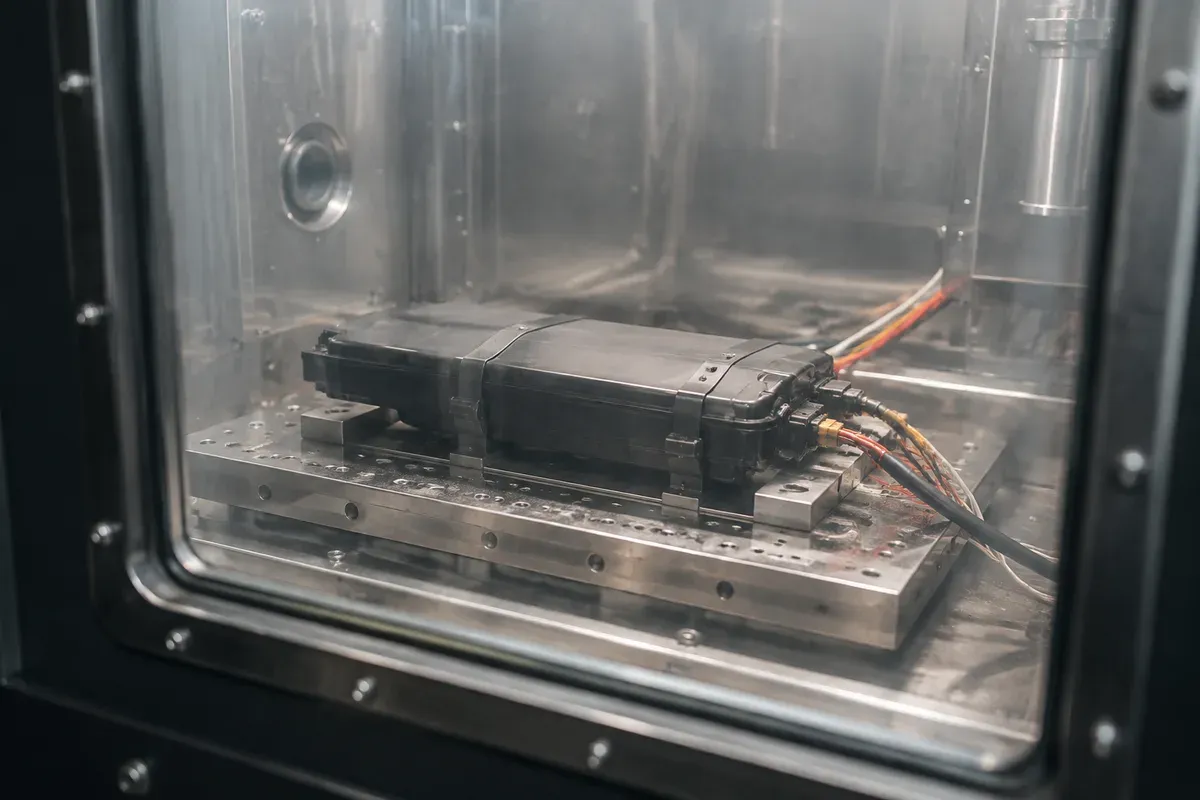
Safety in use, not safety in transit
IEC 62133-2 covers secondary lithium cells and batteries for portable applications. Where UN38.3 asks whether a pack survives being transported, IEC 62133 asks whether it behaves safely in the hands of a user: misuse, abuse, foreseeable faults, and manufacturing defects.
The 2017 edition split the standard by chemistry. Part 2 is the lithium part; part 1 covers nickel systems. When a buyer asks for “IEC 62133” for an e-bike pack, part 2 is what is meant, and the report should say so on its face.
What the testing covers
The programme spans electrical, mechanical, and thermal abuse. Typical elements include external short circuit, abnormal charging, forced discharge, free fall, mechanical crush, thermal abuse, and overcharge protection, alongside checks on the protection circuitry and on construction requirements such as insulation, creepage and clearance, and terminal design.
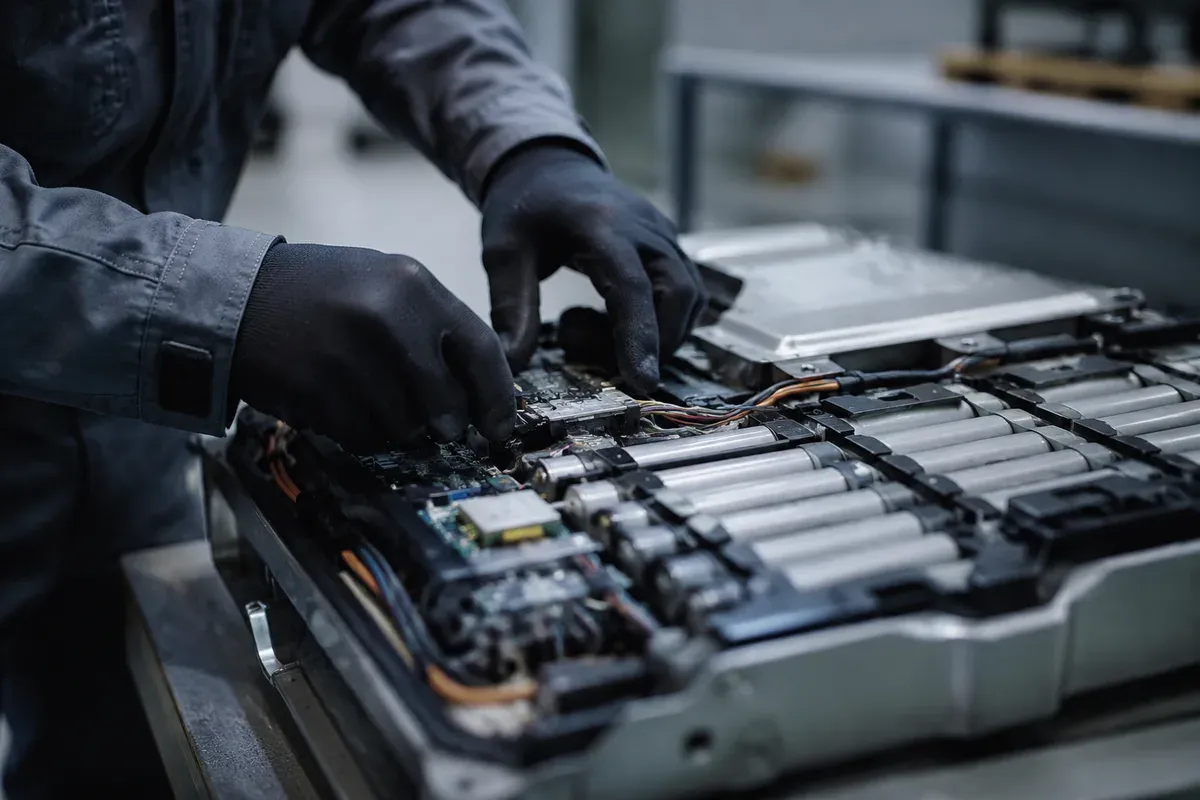
The standard also imposes requirements on the manufacturing process and on the quality system behind it, not just on the sample submitted. That is a meaningful difference from a one-off type test: it is why the report is credible evidence about production rather than about a hand-built prototype.
Where it sits against the other standards
Buyers routinely conflate three documents that do different jobs:
- UN38.3 — transport. Required to ship at all.
- IEC 62133-2 — battery safety in use. Widely accepted internationally and commonly required by EU distributors and retailers as part of a CE technical file.
- UL 2271 — the North American light electric vehicle equivalent. Different test regime, different market.
None substitutes for another. A pack can hold a valid UN38.3 report and still have no evidence at all about its in-use safety, which is exactly the gap IEC 62133-2 fills. For the EU, it is the report most often used to support the safety half of a CE technical file, since the Low Voltage Directive does not reach down to 36–52V DC packs.
How the report is issued
IEC 62133-2 test reports are a standard deliverable on our production orders, issued by an accredited laboratory against the specific pack build. Because the report is tied to the cell model and pack construction, it is generated as part of the sample approval stage rather than retrofitted afterwards.
If you are checking reports from multiple suppliers, read the scope section first: it names the cell and the configuration tested. A report whose scope does not match the pack on your purchase order is not evidence about your pack. Our certificate verification guide covers how to check the issuing laboratory’s accreditation and confirm a report number is genuine.
See what the paperwork looks like
We hold a real certificate from our files, issued against one catalog model. Email us and we send it over so you can check the format, the issuing body, and the scope statement before you order. Your order ships with its own documents, issued against your own build — not this one.
IEC 62133 test report — sample (model LZB-6S2P-56) Request by emailPacks that ship with IEC62133
- Custom Lithium E-bike Battery Pack — OEM 36V / 48V / 52V
- 48V E-bike Battery Packs 48V
- 36V Seatpost E-bike Battery 36V
- 52V High-Capacity E-bike Battery 52V
- Silver-Fish Replacement E-bike Battery 36V / 48V / 52V
- KT-E57 Integrated-Frame E-bike Battery 48V
- KT-E60 Integrated-Frame E-bike Battery 48V / 52V
- KT-E60-PRO High-Capacity Integrated Battery 48V / 52V
- KT-E09 Down-Tube E-bike Battery 48V
- KT-E09-PRO Down-Tube E-bike Battery 48V
- KT-E33 52V Down-Tube E-bike Battery 52V
- KT-E33-PRO 52V Down-Tube E-bike Battery 52V
- KT-S01 36V Seatpost E-bike Battery 36V
- KT-S02 36V Seatpost E-bike Battery 36V
- KT-D02 Silver-Fish Replacement Battery 36V / 48V (series count per programme)
- KT-D15 Silver-Fish Replacement Battery 36V / 48V (series count per programme)
Need the IEC62133 package for your build?
Tell us your target markets and pack specification. We confirm which documents ship as standard, which need advance scheduling, and what each one will cost you in lead time before you commit.