UL2271
UL 2271: Batteries for Light Electric Vehicle Applications
US/Canada safety standard for batteries used in light electric vehicles including ebikes and scooters. Required for major US retailers (REI, Trek, Specialized supply chain). Managed by Underwriters Laboratories.
- Jurisdiction
- North America
- Applies to
- USA Canada
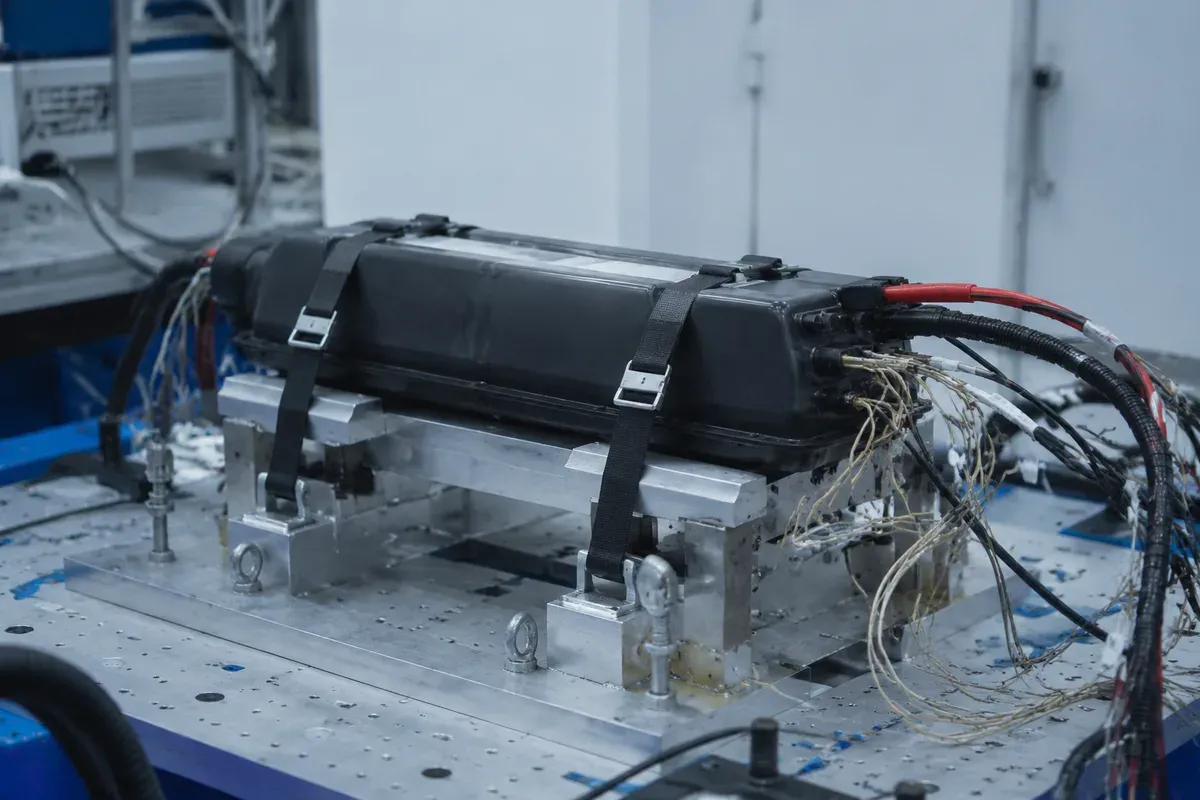
The North American light electric vehicle standard
UL 2271 covers batteries for light electric vehicle applications — e-bikes, e-scooters, and similar. It is the battery-level standard in the North American system, evaluating the pack as a complete unit: cells, protection circuitry, enclosure, wiring, and connectors together.
Unlike a self-declared mark, UL certification involves a third-party laboratory testing the product and, critically, ongoing factory surveillance. Certification is not a one-time event: the certifying body inspects the production site periodically to confirm the product still matches what was tested. That follow-up service is a large part of why the standard carries weight with buyers, and part of why it costs more than a type test.
Why it has moved from optional to expected
Two forces have pushed UL 2271 up the priority list for anyone selling into the US.
The first is retail. Major retailers and brands increasingly require UL certification as a condition of onboarding a supplier, and marketplaces have tightened listing requirements for lithium-powered mobility products.
The second is regulation and insurance. Following high-profile lithium battery fires, several US jurisdictions — New York City most prominently — moved to require certified batteries for e-bikes sold or used commercially. Insurers and commercial fleet operators have followed, since an uncertified pack complicates a claim. For a brand entering the US, the practical question is no longer whether UL is needed but when in the schedule it happens.
Plan it early: it drives cell and design decisions
UL 2271 is the certification most likely to derail a timeline when it is raised late, for two reasons.
Lead time is the obvious one — third-party testing plus factory audit arrangements are measured in weeks to months, not days, and the schedule depends on laboratory capacity rather than on our production floor.
The less obvious one is that it constrains the design. Cell selection, enclosure construction, and protection architecture all feed into the evaluation, so a pack designed without UL in view may need changes to pass. Raising UL at the enquiry stage costs nothing; raising it after sample approval can mean redesign.
What we do
UL 2271 is available on request rather than standard, and we quote it as scheduled work with its own timeline. We handle the sample builds, the documentation, and the factory-side requirements of the certification process, and we tell you up front where your intended specification is likely to need adjustment.
If your program covers the full electrical system rather than the battery alone — which is what many US retailers now ask for — the relevant standard is UL 2849, and the two are usually pursued together. Our overview of US compliance under DOT and UL sets out how the pieces fit.
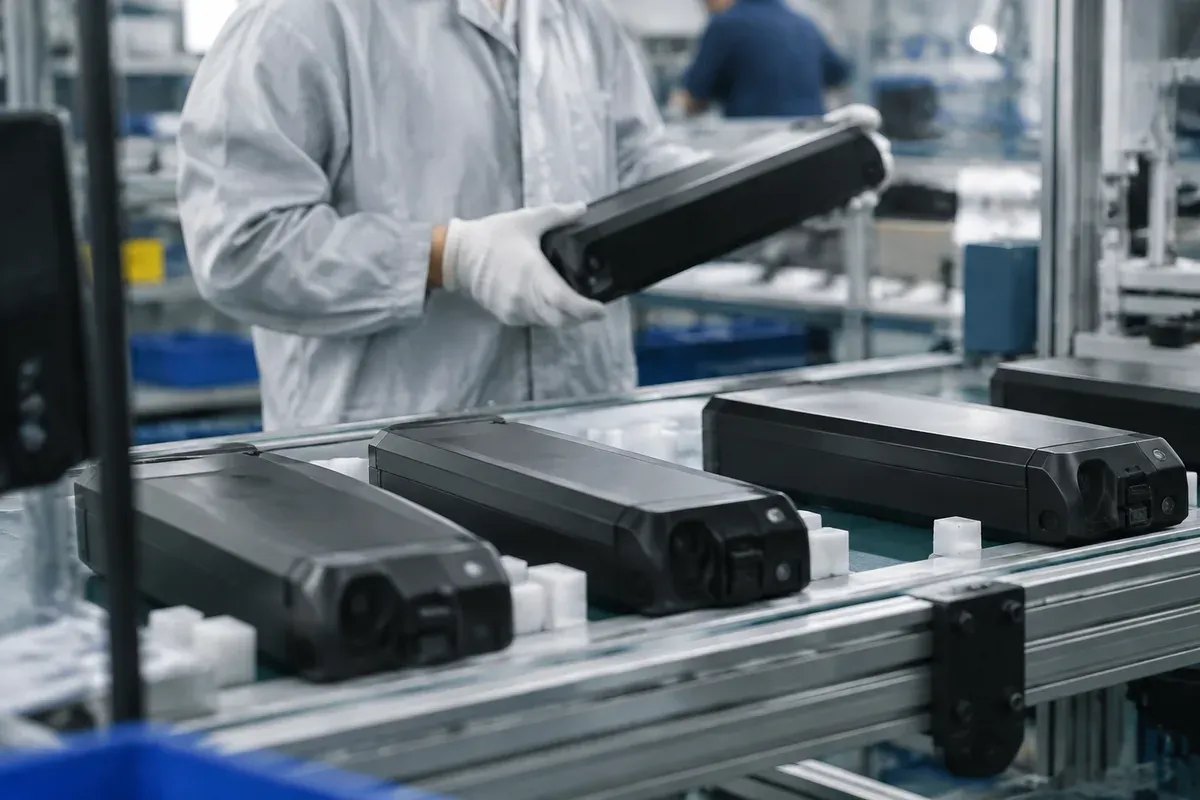
Packs that ship with UL2271
Need the UL2271 package for your build?
Tell us your target markets and pack specification. We confirm which documents ship as standard, which need advance scheduling, and what each one will cost you in lead time before you commit.