KC
KC Mark: Korea Certification
Mandatory safety certification for electrical products sold in South Korea, regulated by KATS (Korean Agency for Technology and Standards). Required for lithium batteries for ebikes.
- Jurisdiction
- South Korea
- Applies to
- South Korea

Mandatory, third-party, and factory-inspected
KC is South Korea’s national certification mark, administered under KATS. For lithium batteries used in e-bikes it is mandatory — not a self-declaration and not optional.
Three features distinguish it from the marks European buyers are used to:
- Third-party testing by a Korean-recognised body, not a manufacturer’s declaration
- Factory inspection as part of initial certification, with auditors visiting the production site
- Annual surveillance thereafter, so the certificate is a continuing relationship rather than a one-time document
The relevant safety standard for lithium cells and batteries is issued as a Korean national standard aligned with the IEC 62133 family, so an existing IEC 62133-2 report is useful groundwork — but it is groundwork, not a shortcut. Korean testing is still required.
Certificates are held by the manufacturer, and that has consequences
The KC certificate is issued against a specific manufacturer, a specific factory, and a specific product model. Two consequences follow that buyers should plan around.
First, the certificate does not travel with the goods to a new supplier. Changing factory means re-certifying, even for a physically identical pack. This makes KC a genuine switching cost, and it is worth weighing when choosing a supplier for a Korean program.
Second, model scope is narrow. A pack variant outside the certified model description needs its own assessment. Programs that plan several capacity variants should raise all of them at the start, since grouping related models into one application is usually cheaper and faster than certifying them one at a time.
Schedule it early
Of the market-access certifications we handle, KC has the longest and least compressible lead time, because it depends on a factory audit being scheduled by an external body and on documentation prepared in Korean.
There is no expedited path that removes the audit. A Korean launch date set without KC already in motion is a date that will move. The realistic sequence is: confirm the model list, begin the application, schedule the factory inspection, complete testing, then plan the launch from the certificate date rather than the other way round.
What we hold, and what you receive
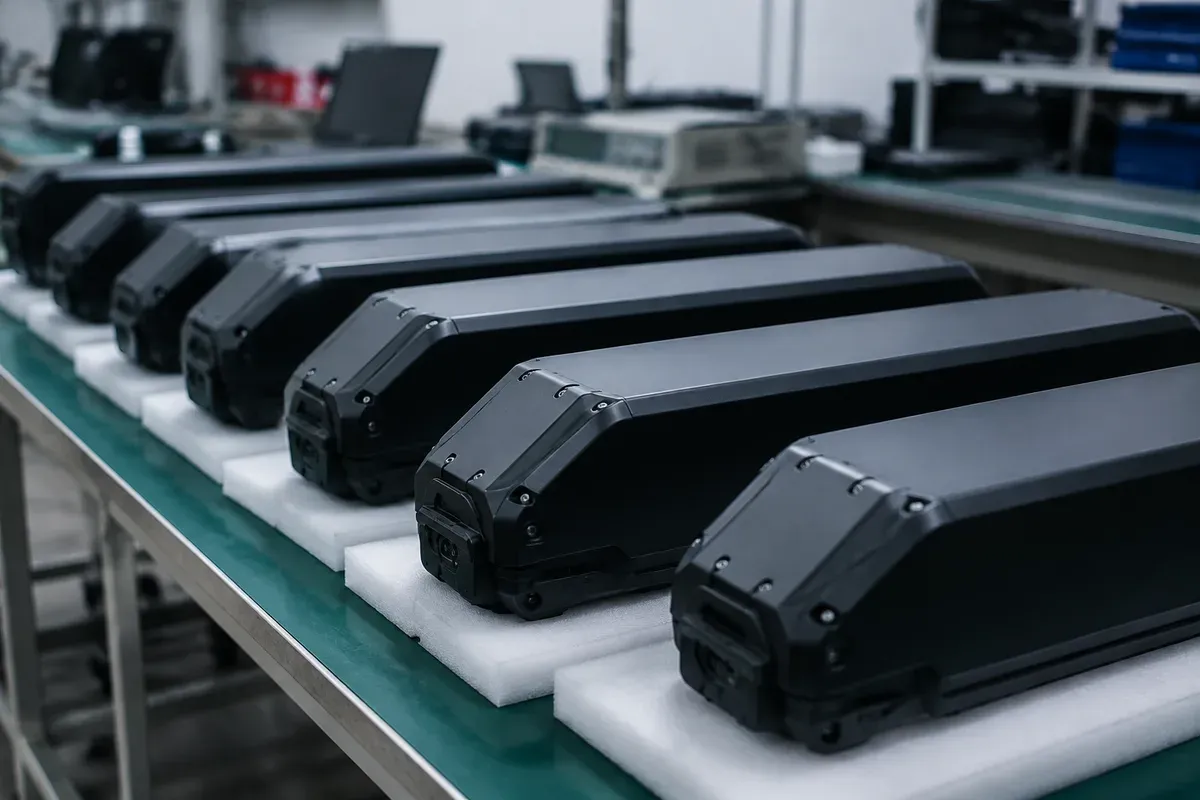
KC is available on request. Our Guangdong facility can host the required factory inspection, and we manage the sample submission, testing coordination, and documentation for the application.
Because the certificate is issued to us as the manufacturing site, we hold it and supply it against your orders. Tell us the full model list and your target launch window at enquiry stage, and we will tell you honestly whether the window is achievable — that is more useful to you than an optimistic quote followed by a slipped date.
Need the KC package for your build?
Tell us your target markets and pack specification. We confirm which documents ship as standard, which need advance scheduling, and what each one will cost you in lead time before you commit.
Related certifications
Conformité Européenne (EU Declaration of Conformity)
European Union
IEC62133IEC 62133-2:2017: Secondary cells for portable applications
International
UL2271UL 2271: Batteries for Light Electric Vehicle Applications
North America
RCMRegulatory Compliance Mark (formerly C-Tick + A-Tick)
Australia / New Zealand