RCM
Regulatory Compliance Mark (formerly C-Tick + A-Tick)
Required for electrical products sold in Australia and New Zealand. Combines safety (SAA) and EMC compliance into a single mark, regulated by the ACMA.
- Jurisdiction
- Australia / New Zealand
- Applies to
- Australia New Zealand
One mark, two regulatory streams
The Regulatory Compliance Mark replaced the older C-Tick and A-Tick marks, combining electrical safety and electromagnetic compatibility into a single mark recognised across Australia and New Zealand.
Behind the single logo sit two separate streams. Electrical safety is administered by state and territory regulators through the Electrical Equipment Safety System, and EMC and radiocommunications by the ACMA. A product may attract obligations under one, the other, or both, depending on what it is and what it contains.
The part that catches exporters: you cannot hold it
This is the structural point worth understanding before quoting an Australian customer.
The RCM can only be applied by a responsible supplier — an entity with a registered business presence in Australia or New Zealand. That supplier must register in the national database, hold the compliance evidence, and take legal responsibility for the product. A Chinese manufacturer cannot be the responsible supplier, and therefore cannot “hold RCM” in any meaningful sense.
What this means commercially: if you are the Australian importer, the RCM obligation is yours. Our role is to supply the technical evidence that lets you meet it, not to hand you a certificate that discharges it. Any supplier claiming to sell you “RCM certification” as a transferable document is describing something the scheme does not provide.
Equipment levels and what evidence is needed
Electrical equipment is classified by risk into levels, and the evidence required scales with the level. Lower-risk equipment can be supported by a declaration backed by a test report; higher-risk equipment requires a certificate of conformity from a recognised certification body before it can be sold.
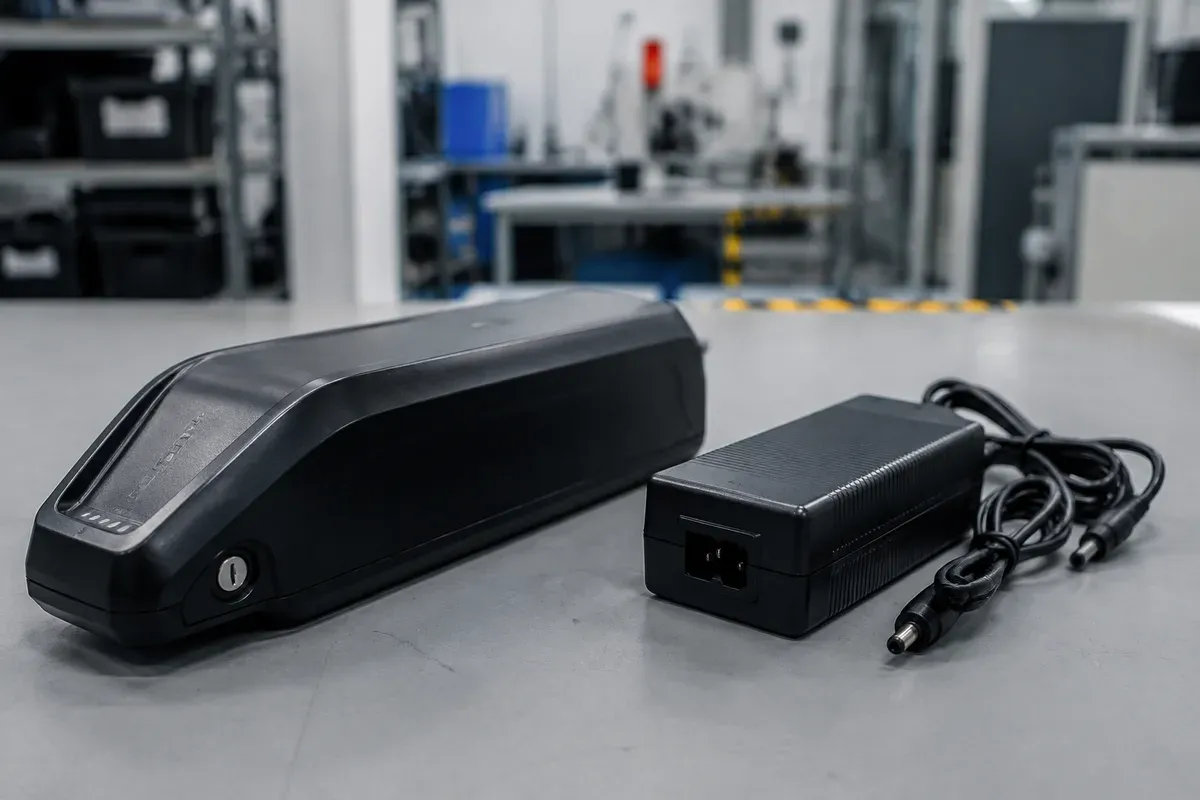
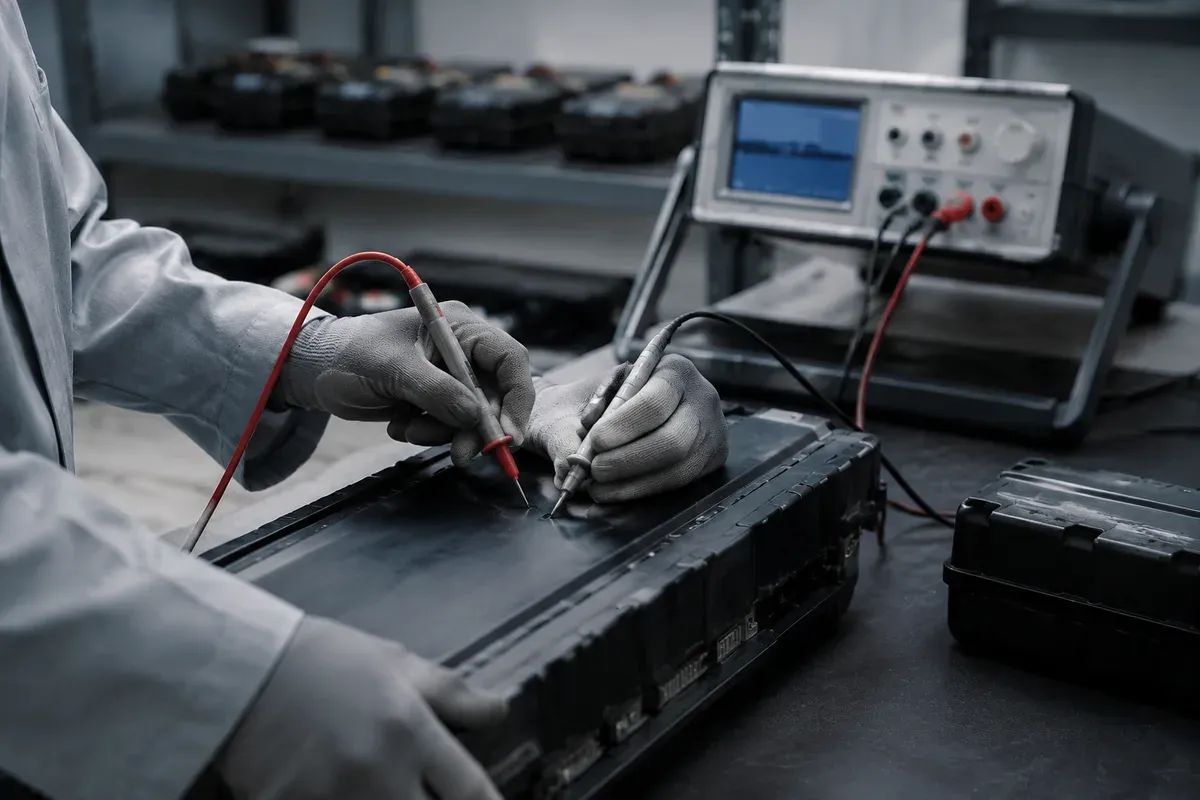
For an e-bike battery pack, the practical evidence set is a safety test report against an applicable standard — IEC 62133-2 is widely accepted as the basis — plus EMC test evidence where the pack contains active electronics. Where the pack includes a wireless BMS, radiocommunications obligations attach as well, in a way that parallels the FCC position in the United States.
The mains charger is treated separately and generally attracts its own, higher-level requirements, since it runs at mains voltage. Buyers frequently ask about the battery and forget the charger is a distinct product in the same shipment.
The evidence we hand over
RCM support is available on request. We provide the safety and EMC test reports, the technical construction file, and the product information an Australian or New Zealand responsible supplier needs to complete their own registration and declaration.
Raise the market at enquiry stage. Where an existing IEC 62133-2 report already covers the pack, the incremental work is modest; where it does not, testing has a lead time that belongs in the schedule rather than at the end of it.
Need the RCM package for your build?
Tell us your target markets and pack specification. We confirm which documents ship as standard, which need advance scheduling, and what each one will cost you in lead time before you commit.