FCC
FCC Part 15: Radio Frequency Devices
Required for any product with radio frequency emissions sold in the USA, including ebike batteries with BLE/wireless BMS communication. Administered by the Federal Communications Commission.
- Jurisdiction
- USA
- Applies to
- USA
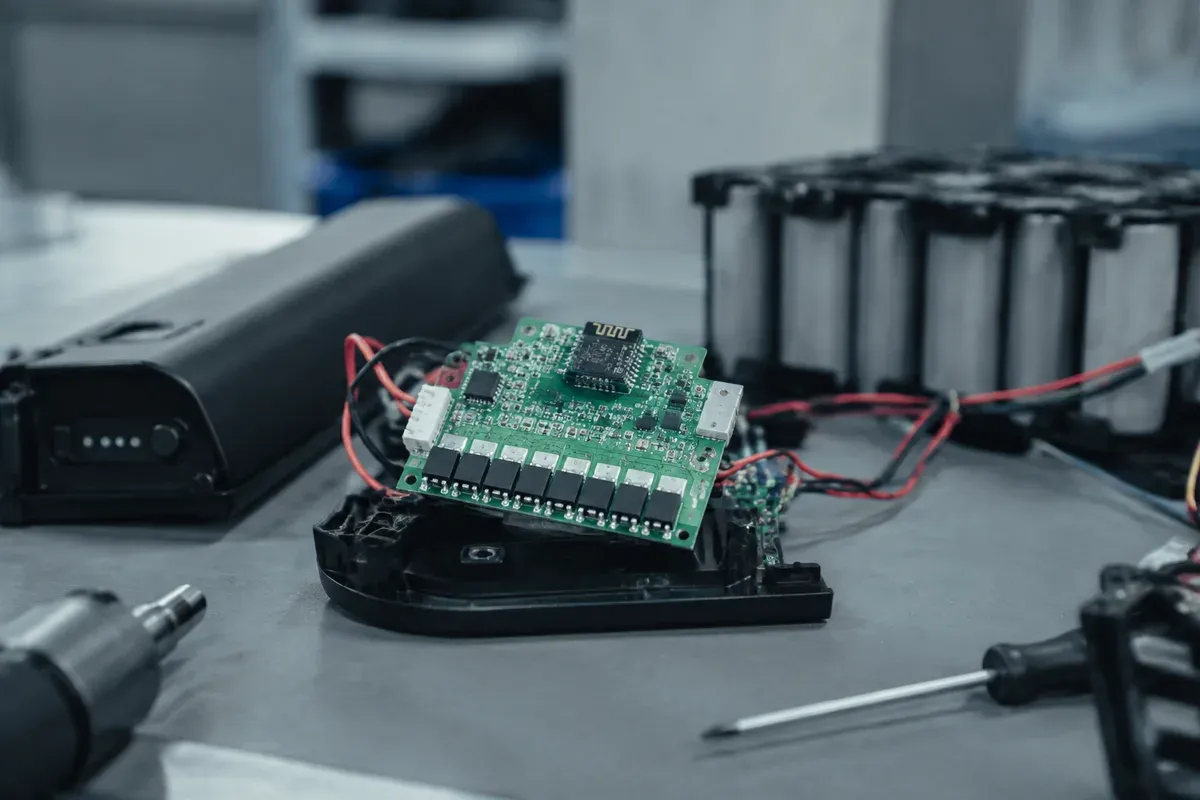
Only some battery packs need this
FCC Part 15 governs radio frequency devices sold in the United States. Whether it applies to a battery pack depends entirely on what is inside the pack, and the distinction is worth understanding before you specify a BMS.
A pack with a conventional wired BMS is an unintentional radiator: it contains digital electronics that emit RF as a side effect. A pack with a Bluetooth or other wireless BMS is an intentional radiator — it transmits deliberately. The two sit under different parts of the rules and carry very different obligations.
Intentional radiators require Certification, the most demanding route: testing at an accredited laboratory, review by a Telecommunication Certification Body, and an FCC ID issued and displayed on the product. Unintentional digital devices generally follow the lighter Supplier’s Declaration of Conformity path.
The specification decision that triggers it
This is the practical takeaway: adding app connectivity to a battery adds a certification project. Brands routinely add a Bluetooth BMS late in development because a marketing requirement appears — a smartphone app showing state of charge and cycle count — without recognising it converts the pack into a radio product for regulatory purposes.
If wireless connectivity is a firm requirement, raise it at the enquiry stage. If it is a nice-to-have, it is worth pricing the certification against the benefit before committing, because the cost and the lead time fall on the schedule, not just the bill of materials.
What is actually tested
Testing measures radiated and conducted emissions against the Part 15 limits, confirming the device does not cause harmful interference and accepts interference received. For an intentional radiator, the transmitter’s operating parameters — frequency, power, bandwidth, spurious emissions — are measured as well.
A common shortcut is worth flagging: if the wireless module inside the BMS already holds its own FCC ID, modular approval can sometimes be relied on rather than certifying the whole pack from scratch. Whether that applies depends on how the module is integrated and on the conditions of its original grant, so it is a question to put to the test laboratory early rather than an assumption to build a schedule on.
Which route your pack falls under
FCC authorisation is available on request and applies to our BLE-equipped BMS variants. For packs with a standard wired BMS destined for the US, the relevant obligations are usually satisfied without an FCC ID, and we will tell you which category your specification falls into rather than selling you certification you do not need.
FCC covers radio only. It says nothing about battery safety — that is UL 2271 territory — and nothing about transport, which is UN38.3. Our overview of US compliance under DOT and UL shows how the three fit together for a US launch.
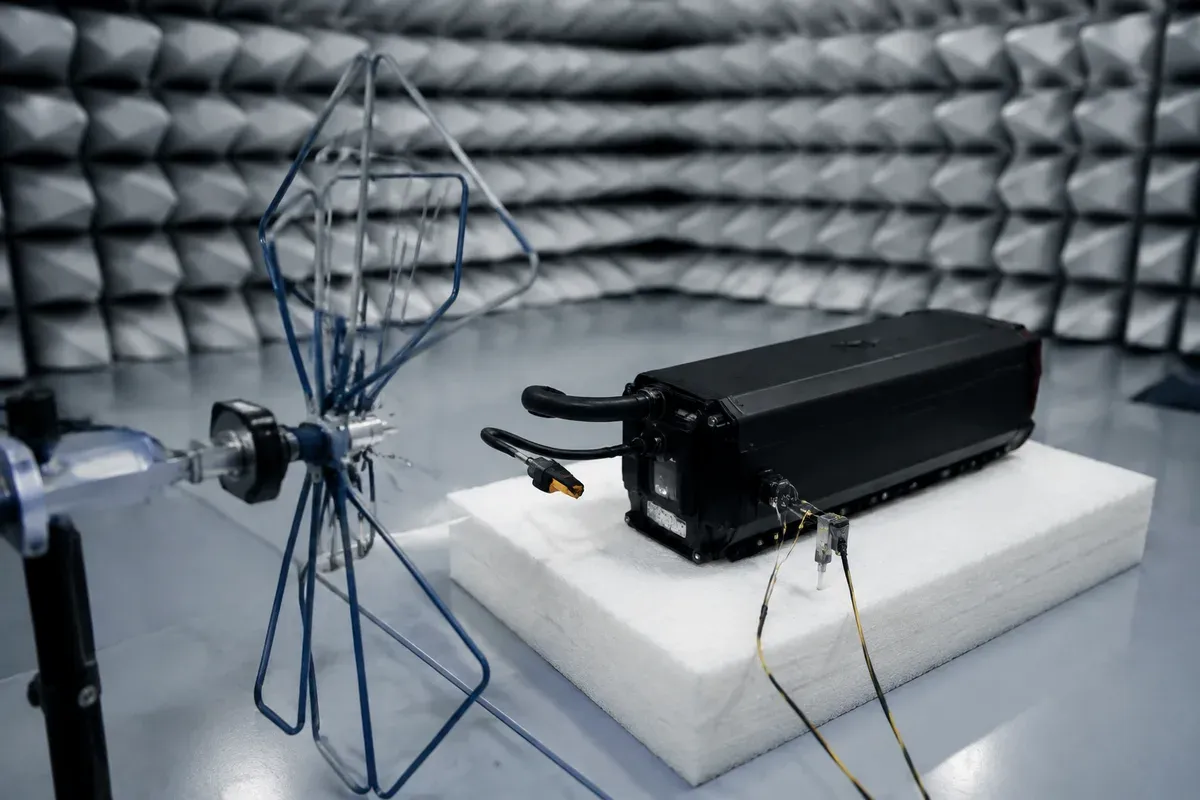
Packs that ship with FCC
Need the FCC package for your build?
Tell us your target markets and pack specification. We confirm which documents ship as standard, which need advance scheduling, and what each one will cost you in lead time before you commit.