UL2849
UL 2849: Electrical Systems for eBikes
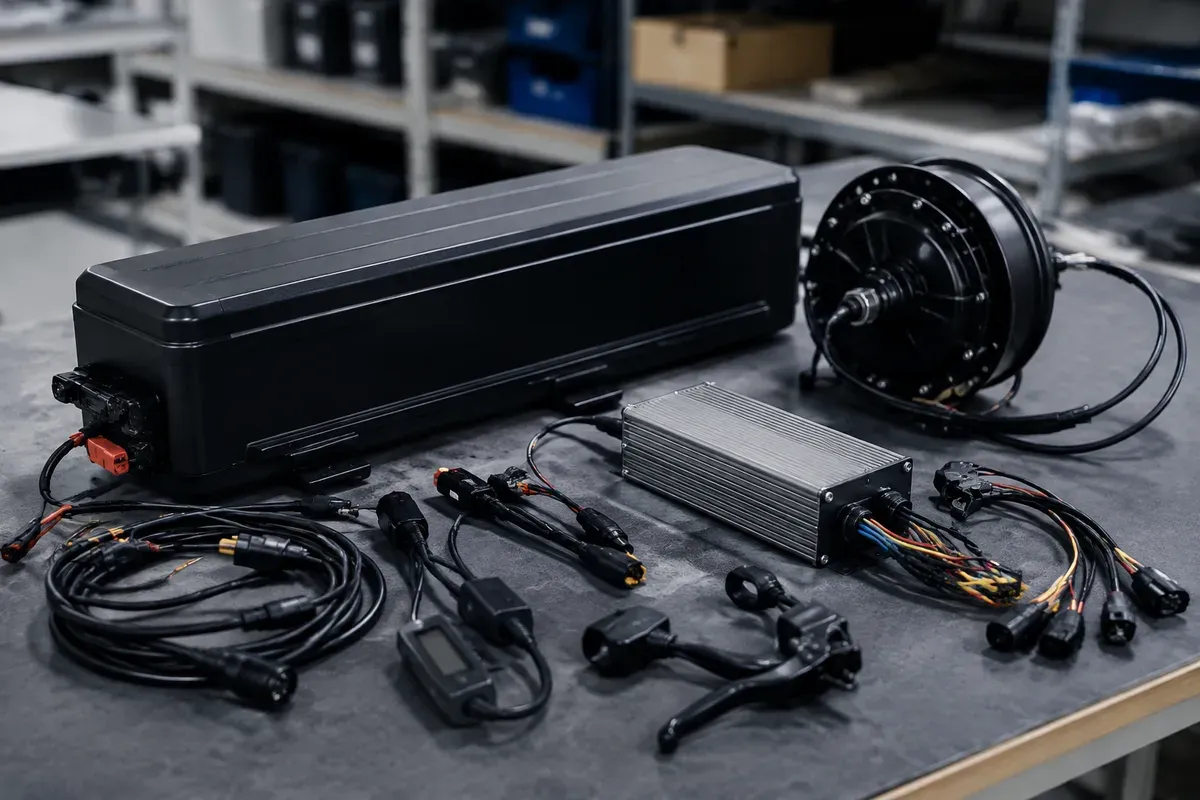
System-level standard for the entire ebike electrical system. Newer requirement increasingly demanded by US retailers and insurance companies. Covers battery + motor + controller + wiring integration.
- Jurisdiction
- North America
- Applies to
- USA Canada
A system standard, not a component standard
UL 2849 evaluates the complete electrical system of an e-bike: battery, charger, motor, controller, and the wiring and communication between them. It exists because most real-world failures are integration failures. A pack that is safe on a test bench can still be unsafe when paired with a charger that pushes the wrong profile, or a controller that draws more current than the BMS was configured to allow.
This is the standard that increasingly appears in US retailer requirements and in municipal regulation, because it certifies the thing the customer actually buys and rides.
Why a certified battery does not give you a certified bike
This is the single most important thing for a brand to understand before committing to a schedule, and it is where sourcing conversations most often go wrong.
UL 2271 certifies the battery. UL 2849 certifies the system. Holding the first does not give you the second. A UL 2271 pack is a necessary input to a UL 2849 evaluation, not a substitute for one, and the system certificate is held against a defined combination of components. Swap the charger or the motor after certification and the certificate no longer describes what you are shipping.
The consequence for sourcing is structural: the system certificate belongs to whoever owns the complete bike, normally the brand, not the battery factory. We can supply a certified pack and the documentation an evaluation needs; we cannot certify a system built from other suppliers’ motors and controllers on your behalf.
What a supplier can realistically do for you
What we contribute is the battery half done properly, and done in a way that does not obstruct the system evaluation:
- A pack certified to UL 2271, or built to be certifiable
- BMS parameters documented and matched to your controller’s actual current draw
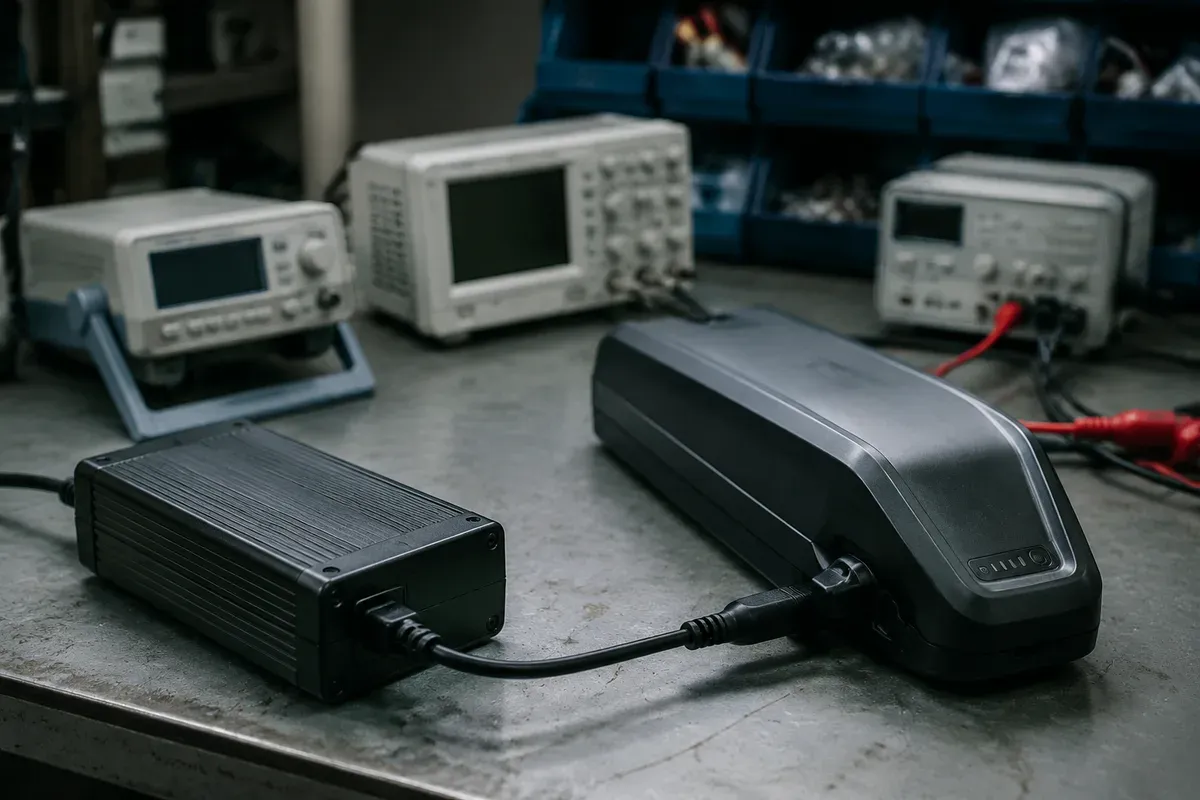
- Charger compatibility confirmed against the pack’s charge profile rather than assumed
- Connector and communication details specified, so the integration is defined rather than discovered
Getting those four right is what stops a system evaluation stalling on questions the battery supplier should have answered in advance.
Sequencing
Because UL 2849 depends on the finished component set, it sits at the end of a development programme. That makes it very sensitive to late changes: a component substitution made to solve a cost or supply problem can invalidate work already done.
The practical advice is to fix the component set — pack, charger, motor, controller — before the evaluation starts, and to treat any later substitution as a change that needs re-checking rather than a like-for-like swap. Our guide to US compliance under DOT and UL covers how this sits alongside transport and market-access requirements.
Packs that ship with UL2849
Need the UL2849 package for your build?
Tell us your target markets and pack specification. We confirm which documents ship as standard, which need advance scheduling, and what each one will cost you in lead time before you commit.