South Korea
Why KC certification is mandatory, factory-inspected, and non-transferable between suppliers — and what that means for switching cost and launch dates.
- Who carries the obligation
- Shared: the manufacturer holds the certificate, the importer places goods on the market
- Last reviewed
- August 2026

The one market where the factory holds the certificate
Across most of this section, the pattern is the same: we supply evidence, you carry the market obligation. Korea inverts part of it, and that changes how you should think about supplier selection.
KC certification is issued against a specific manufacturer, a specific factory, and a specific product model. We hold it, and we supply it against your orders. That is convenient — and it is also a genuine lock-in, because the certificate does not travel.
Three consequences worth planning around
Switching supplier means re-certifying. Even for a physically identical pack, a change of factory requires a new certification. This is a real switching cost, and it is worth weighing at supplier-selection stage rather than discovering later.
Model scope is narrow. Variants falling outside a certified model description are assessed separately. If your programme includes several capacity variants, raise all of them at the start — grouping related models into one application is usually cheaper and faster than certifying them one at a time.
Factory audit sets the schedule. KC involves third-party testing and an inspection of the production site, with annual surveillance afterwards. Our Guangdong facility can host the inspection, but the date depends on an external body’s calendar rather than on our production floor.
It is mandatory, not optional
Unlike UL in the United States — commercially decisive but not a blanket legal mandate — KC is a legal requirement for lithium batteries in scope. There is no route to market that skips it, and no expedited path that removes the audit.
Plan the launch from the certificate date, not the other way round. The realistic sequence is: confirm the model list, begin the application, schedule the factory inspection, complete testing, then plan the launch from the certificate date.
What an existing IEC report buys you
The Korean safety standard for lithium cells and batteries is aligned with the IEC 62133 family, so an existing report is useful groundwork — but it is groundwork, not a substitute. Korean testing is still required.
Transport documentation is standard: UN38.3 and an SDS. Korean-language documentation is expected for the application itself.
What we ship with a Korean order
The KC certificate held in our name covering the certified models, plus UN38.3 test summary, SDS, and IEC 62133-2 report.
Tell us the full model list and your target launch window at enquiry. Of everything on these market pages, KC has the longest and least compressible lead time — and we would rather tell you honestly that a window is not achievable than quote optimistically and slip.
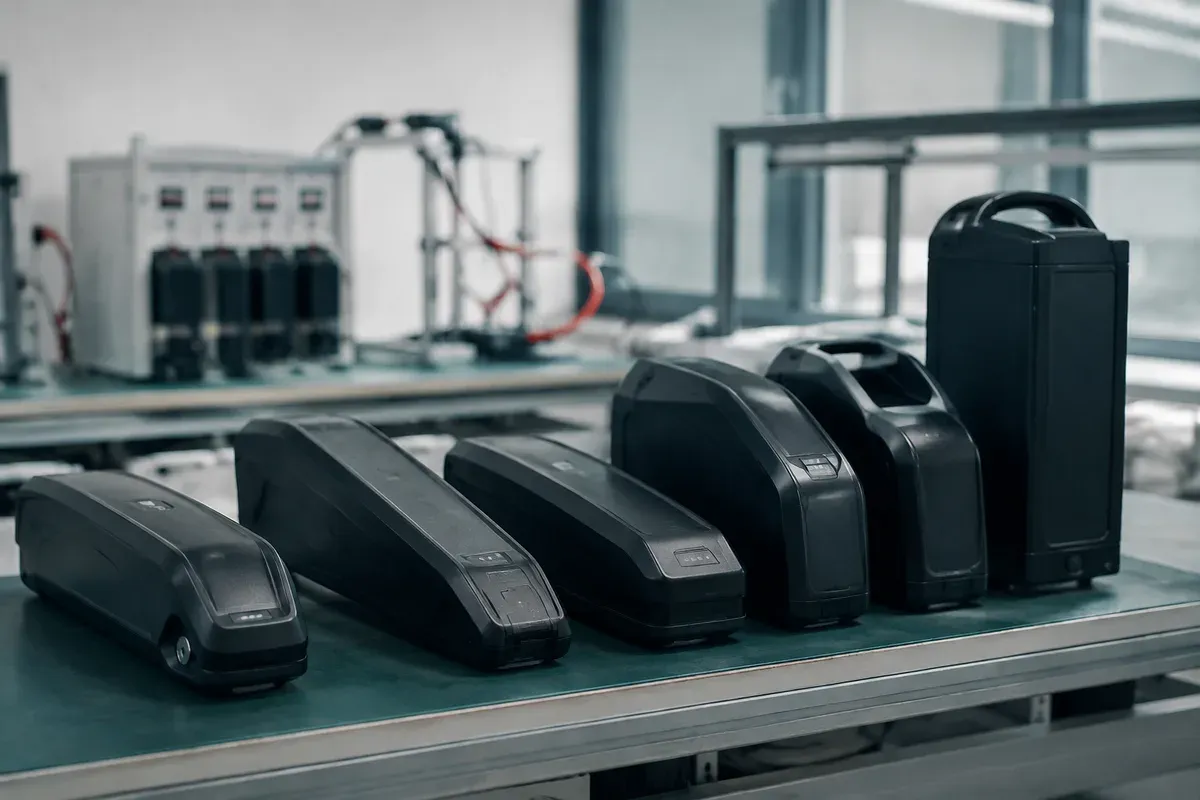
Certifications relevant to South Korea
Scope of this page
This is a manufacturer's working summary written for procurement teams, reviewed August 2026. It is not legal advice, and market access rules change — the EU Battery Regulation and US state-level requirements are both moving targets. Confirm current obligations with your compliance advisor or notified body before committing to a launch. We supply the product-side evidence; obligations that attach to the importer or the party placing goods on the market cannot be discharged by a supplier.
Shipping to South Korea?
Tell us the market and the pack specification. We confirm which documents ship as standard, which need advance scheduling, and what each costs you in lead time.