MSDS / SDS
Material Safety Data Sheet (SDS: GHS format)
Required by customs authorities and freight forwarders for lithium battery shipments. We provide MSDS/SDS in English, German, French, and Chinese. Updated per GHS Revision 7.
- Jurisdiction
- International
- Applies to
- Global Customs
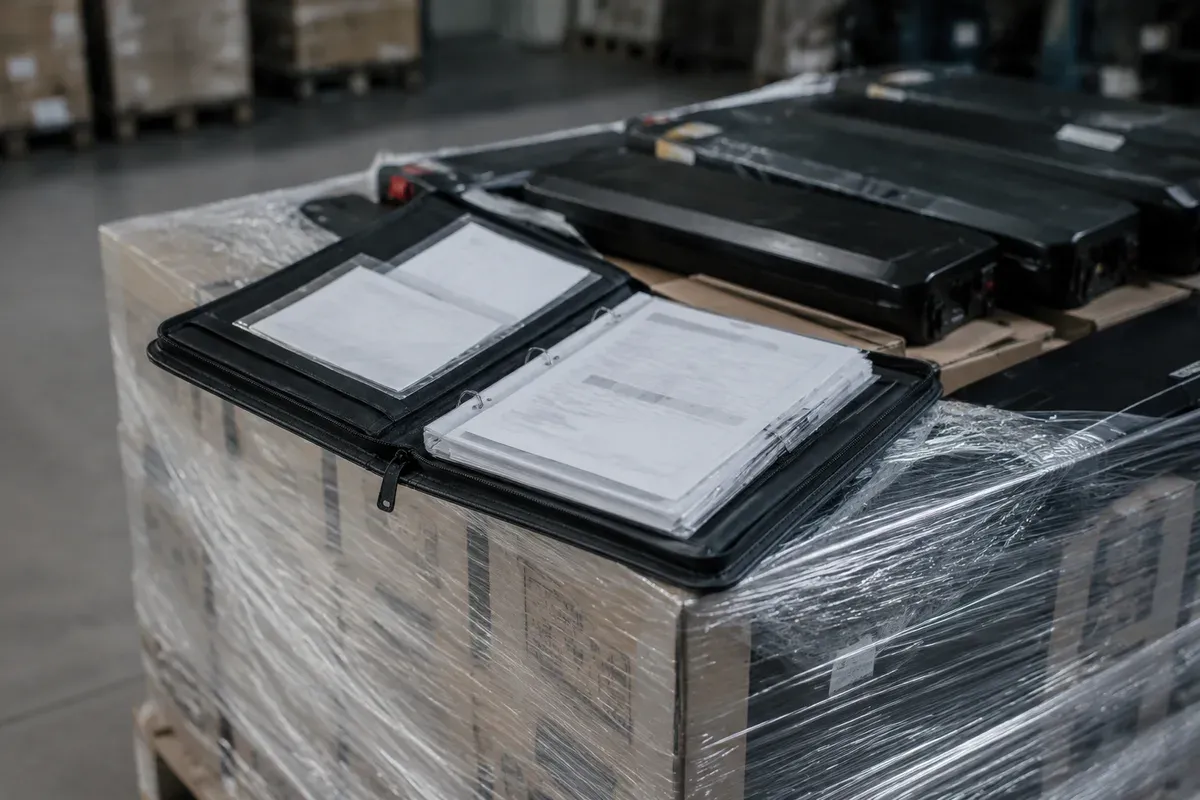
The document freight forwarders actually ask for
A Safety Data Sheet communicates the hazards of a substance or article and the precautions for handling it. The older term MSDS is still in everyday commercial use; the current format is the GHS-aligned SDS, and the two names are used interchangeably in this trade.
For lithium battery shipments, the SDS is the document forwarders, carriers, and customs brokers request first — often before the transport test report. It is what a warehouse uses to decide how to store the goods and what an emergency responder would use if something went wrong in transit.
The sixteen sections
The GHS format is fixed at sixteen sections, in a defined order. For a battery pack the ones that carry the weight in practice are:
- Section 1–3 — identification, hazard classification, composition
- Section 5–6 — firefighting measures and accidental release. For lithium cells this is where the practical guidance sits: what extinguishing media apply, what to do about thermal runaway
- Section 7–8 — handling, storage, and exposure controls
- Section 9–10 — physical and chemical properties, stability and reactivity
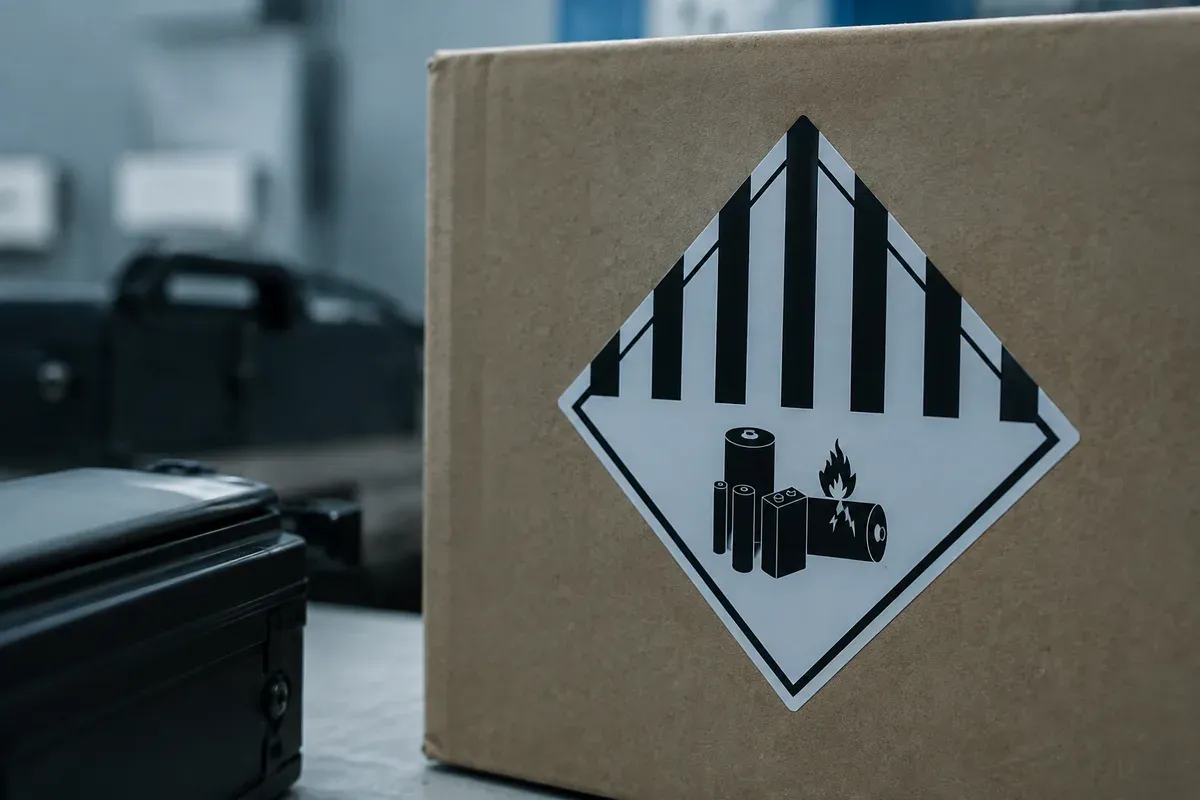
- Section 14 — transport information, including UN number, proper shipping name, and Class 9 classification
Section 14 is the one that has to agree with your shipping paperwork. A mismatch there is a reliable way to have a shipment held.
SDS is not a test report
The distinction matters because the two are often requested together and sometimes confused.
UN38.3 is a test report: evidence that a specific pack design survived eight defined abuse tests. The SDS is an information document: it describes the hazards and handling of the product. One is a pass/fail outcome from a laboratory, the other is a communication obligation.
You need both to ship internationally, and neither substitutes for the other. A supplier who offers an SDS when you asked for UN38.3 has either misunderstood or is hoping you will.
Note also that a well-constructed lithium battery is technically an article rather than a substance or mixture, so an SDS is not always strictly mandatory under every jurisdiction’s chemical law. In practice the commercial reality overrides the technicality: forwarders and customs brokers require one, so shipments move with one.
Languages, and what ships with the goods
We provide MSDS/SDS in GHS format for every pack we ship, in English, German, French, and Chinese, prepared against the cell chemistry and configuration actually used in your build rather than a generic template.
Language matters more than buyers expect. Customs authorities in several markets will accept documentation only in an official language of that market, and a translation produced after a shipment is already held is a slow way to solve the problem. Tell us your destination markets at order stage and the right language versions ship with the goods.
For how the SDS fits alongside packing instructions and state-of-charge limits, see our guide to shipping lithium batteries by air and sea.
Need the MSDS / SDS package for your build?
Tell us your target markets and pack specification. We confirm which documents ship as standard, which need advance scheduling, and what each one will cost you in lead time before you commit.