Canada
Why Canada is close to the US on safety certification but separate on radio, transport, and bilingual labelling — and where importers assume wrongly.
- Who carries the obligation
- The Canadian importer or resident agent
- Last reviewed
- August 2026
Close to the US, but not the same
Canada shares much of the North American safety standards framework, which is why buyers often treat it as an extension of a US launch. That works for part of the picture and fails for the rest.
Safety certification aligns closely. UL 2271 and UL 2849 have Canadian counterparts, and certification bodies commonly issue marks valid for both countries — a certificate showing coverage for the US and Canada together is the efficient route, and it is much cheaper to arrange at the outset than to add later.
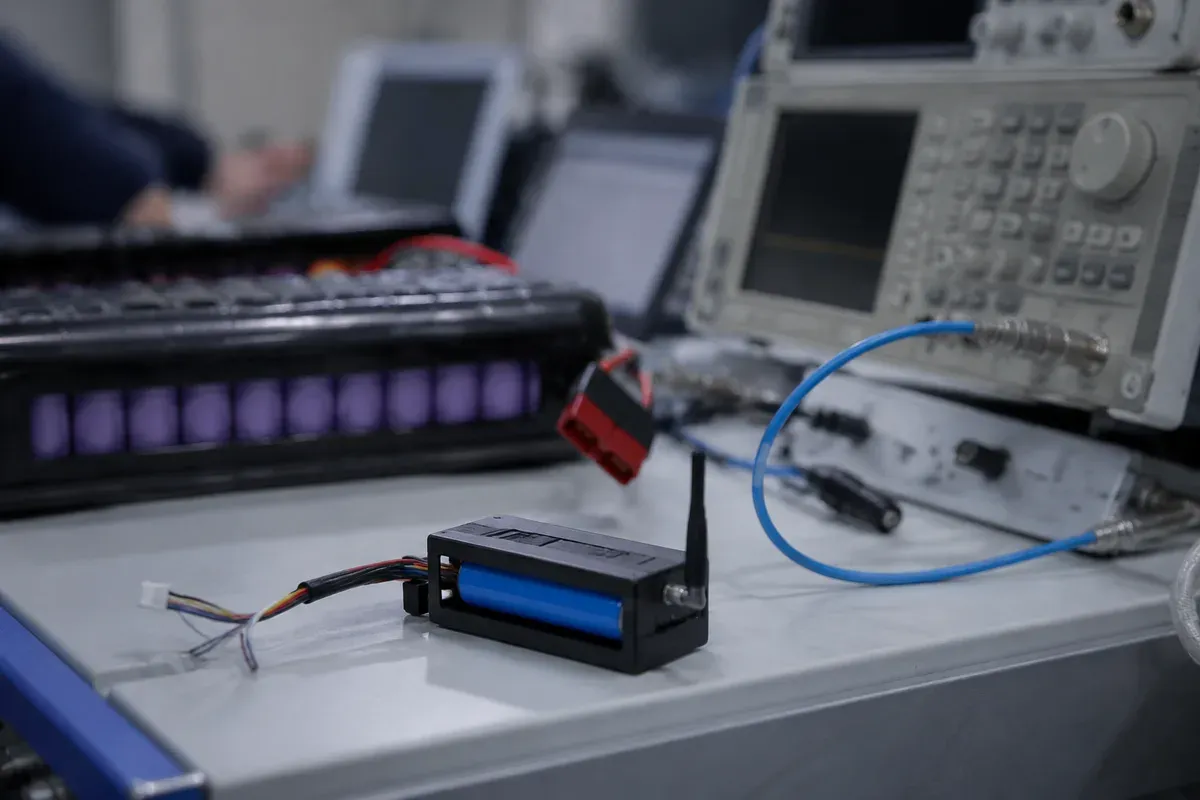
Radio does not align. US FCC authorisation does not carry into Canada. Radio equipment falls under ISED, with its own certification and its own identifier on the product. A pack with a Bluetooth BMS therefore needs both, and the second one is routinely forgotten because the testing looks so similar.
Transport does not align either. Canada’s Transportation of Dangerous Goods regulations govern movement within Canada, implementing the same UN38.3 testing regime but with their own documentation and training requirements for the shipper.
Bilingual labelling is not optional
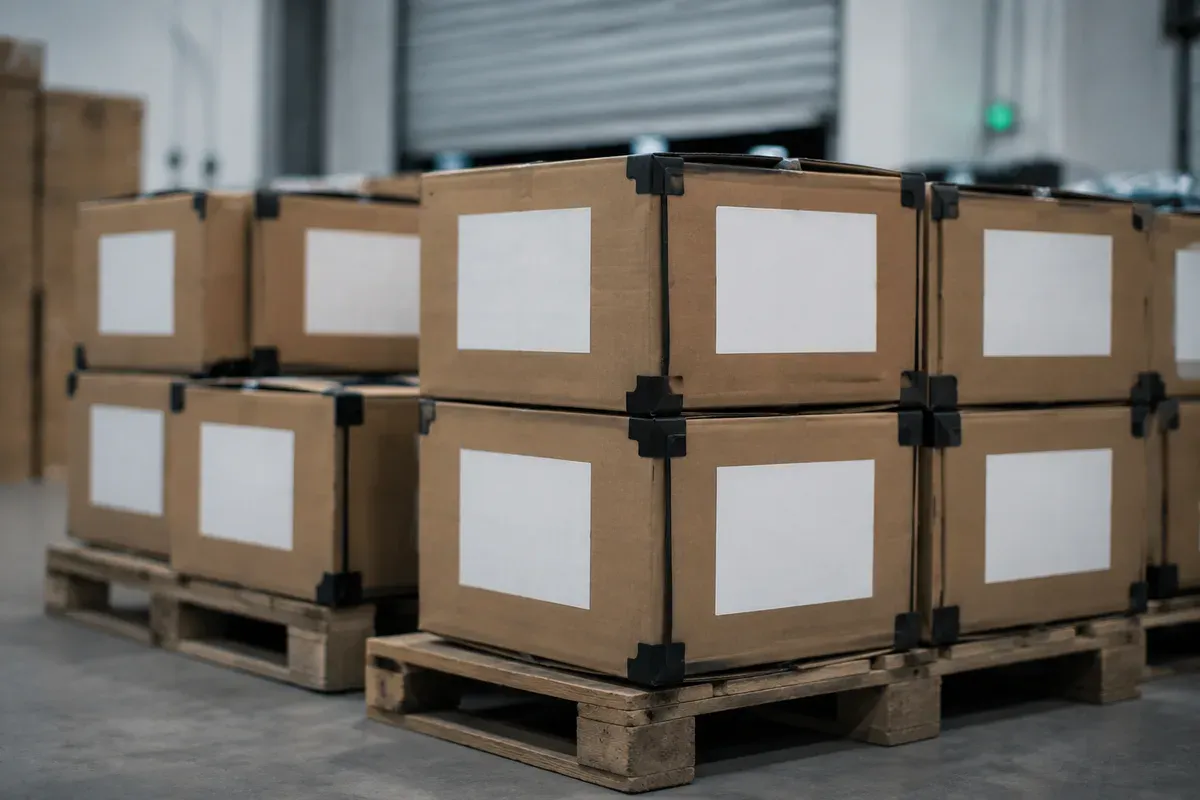
Canada requires product labelling and safety information in both English and French. This applies to markings, warnings, and user documentation.
It is a small requirement that causes disproportionate trouble, because it is discovered at the border rather than during design — and label artwork is normally finalised late, when there is no time to redo it. If Canada is in scope, put bilingual labelling into the artwork brief at the start, not into a corrective action afterwards.
Quebec applies additional French language requirements beyond the federal baseline, which are worth checking specifically if you distribute there.
Provincial rules on the vehicle
The battery is federally and standards-governed; the e-bike itself is regulated provincially. Definitions of a power-assisted bicycle — power limits, speed limits, age and licensing rules — differ by province.
That does not change the pack specification directly, but it changes which product you can sell where, and it is worth confirming before committing to a single specification for the whole country.
What we ship with a Canadian order
UN38.3 test summary and SDS as standard. UL certification covering the US and Canada is available on request — tell us both markets at the outset so the certification is scoped for both rather than extended afterwards, and raise ISED at the same time if your BMS is wireless.
Scope of this page
This is a manufacturer's working summary written for procurement teams, reviewed August 2026. It is not legal advice, and market access rules change — the EU Battery Regulation and US state-level requirements are both moving targets. Confirm current obligations with your compliance advisor or notified body before committing to a launch. We supply the product-side evidence; obligations that attach to the importer or the party placing goods on the market cannot be discharged by a supplier.
Shipping to Canada?
Tell us the market and the pack specification. We confirm which documents ship as standard, which need advance scheduling, and what each costs you in lead time.