Japan
How the PSE regime under DENAN applies to lithium battery packs, why the importer must notify METI, and what to verify before quoting a Japanese buyer.
- Who carries the obligation
- The Japanese importer, as a notified business operator
- Last reviewed
- August 2026
PSE and the DENAN law
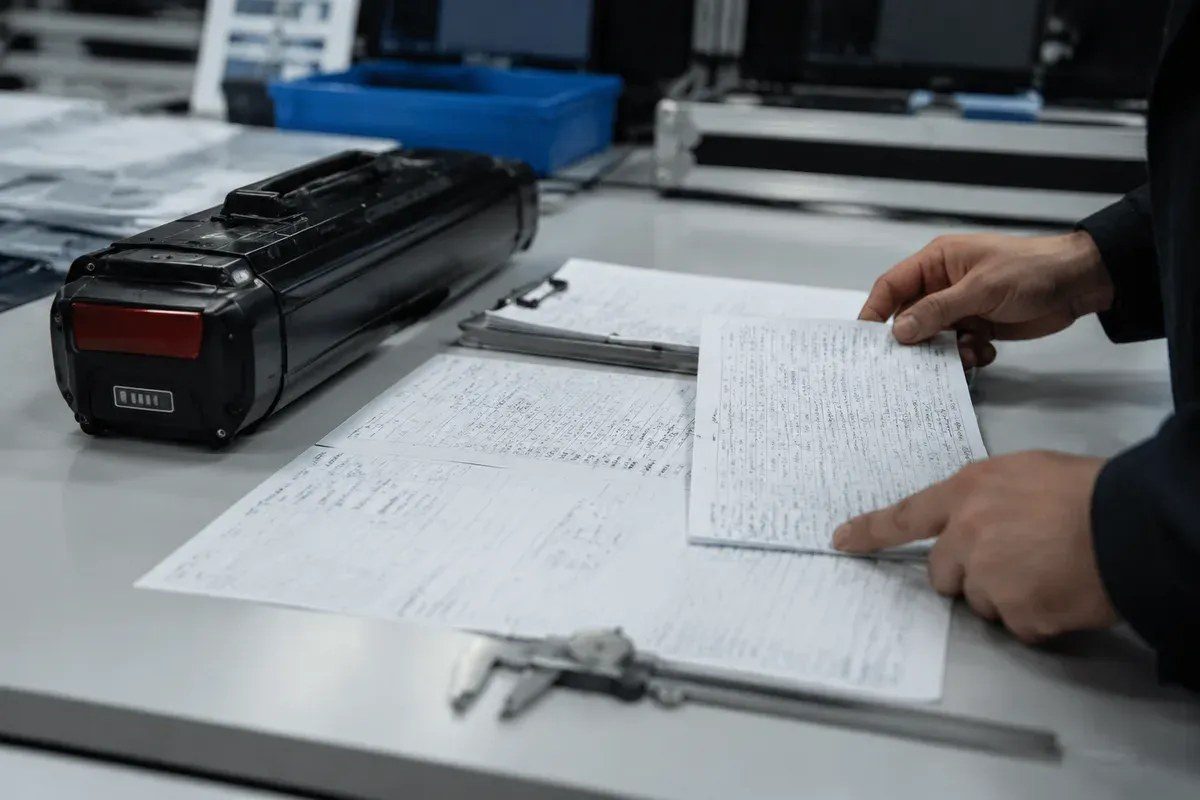
Japan regulates electrical products under the Electrical Appliance and Material Safety Act, generally referred to as DENAN. Products in scope carry the PSE mark, and lithium-ion secondary batteries were brought into scope under this framework.
Two features shape how a project runs.
The importer notifies. Obligations under DENAN attach to the manufacturer or importer as a notified business operator — an entity that has filed notification with METI. When you import our packs into Japan, that entity is you or your Japanese partner, not us. As in the EU and Australia, the supplier provides evidence; the market-facing obligation is local.
Records and conformity are ongoing. The regime expects the notified operator to confirm conformity and retain records, not simply to obtain a document once.
Verify the scope before you quote
This is the item on this page that most needs checking against current guidance rather than a summary.
Whether a specific battery pack falls in scope, and which category and conformity route apply, depends on the construction and how the product is classified — and the treatment of a battery integrated into a vehicle can differ from a pack sold separately as a replacement. The distinction matters commercially, because a replacement battery programme and an OEM programme can land differently.
Confirm the classification for your specific product with a Japanese conformity body or your importer’s compliance advisor before committing to a launch date. We would rather flag that than let you assume our summary settles it.
Supporting evidence
An IEC 62133-2 report is the usual technical foundation, since the Japanese requirements for lithium cells and batteries are built on the same international standard family. Having one already reduces the incremental work substantially.
Transport is unremarkable: UN38.3 documentation and an SDS as everywhere, with Japanese-language documentation expected by many customs brokers and buyers.
The commercial texture
Japanese buyers are, in our experience, more documentation-driven than most. Expect detailed technical questions, requests for test data rather than summaries, and scrutiny of cell traceability and first article inspection records.
That is not an obstacle. It is a market where a factory that keeps real records has a genuine advantage over one that produces documents on request.
What we ship with a Japanese order
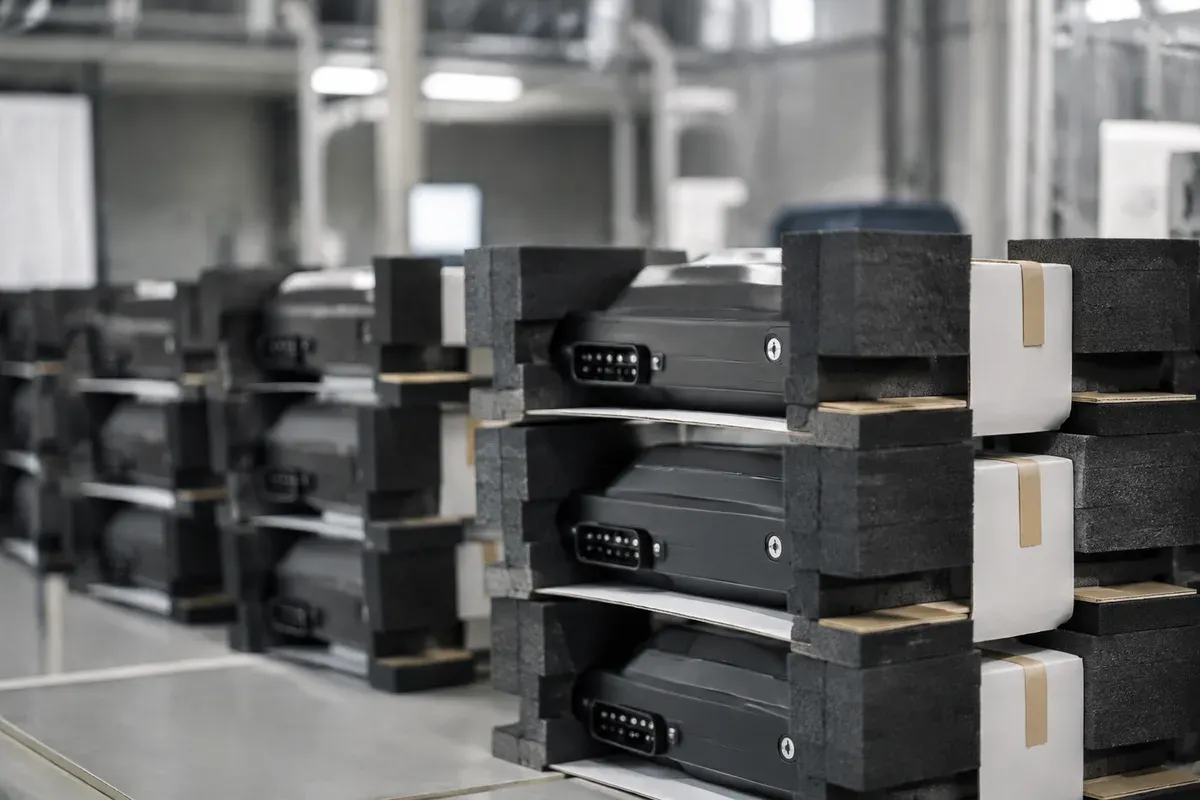
UN38.3 test summary, SDS, and IEC 62133-2 report as the technical basis, plus cell traceability and batch QC records. Tell us at enquiry that Japan is a target market so the evidence set is scoped correctly from the start.
Certifications relevant to Japan
Scope of this page
This is a manufacturer's working summary written for procurement teams, reviewed August 2026. It is not legal advice, and market access rules change — the EU Battery Regulation and US state-level requirements are both moving targets. Confirm current obligations with your compliance advisor or notified body before committing to a launch. We supply the product-side evidence; obligations that attach to the importer or the party placing goods on the market cannot be discharged by a supplier.
Shipping to Japan?
Tell us the market and the pack specification. We confirm which documents ship as standard, which need advance scheduling, and what each costs you in lead time.