Formation Cycling
Controlled initial charge-discharge cycles that stabilise a cell's internal chemistry and establish its true baseline capacity.
What it does to the cell
A freshly manufactured lithium cell is not yet finished. The first controlled charge forms the solid-electrolyte interphase — a thin protective layer on the anode that governs how the cell behaves for the rest of its life.
Formation done properly produces a stable, even layer. Done badly or skipped, the layer forms unevenly during ordinary use, which shows up later as accelerated capacity fade, higher self-discharge, and unpredictable variation between cells that should be identical.
Why it matters to a buyer
Two reasons, one technical and one commercial.
It reveals real capacity. A cell’s nameplate rating is a claim; its capacity after formation is a measurement. Formation is where a factory finds out whether the cells it bought are what the label says, which makes it the natural gate for binning.
It exposes early failures. Cells with manufacturing defects frequently fail or underperform during formation rather than in the field. Catching them on the production floor costs a cell; catching them after assembly costs a pack; catching them after shipment costs a warranty claim and possibly a reputation.
Where it sits in production
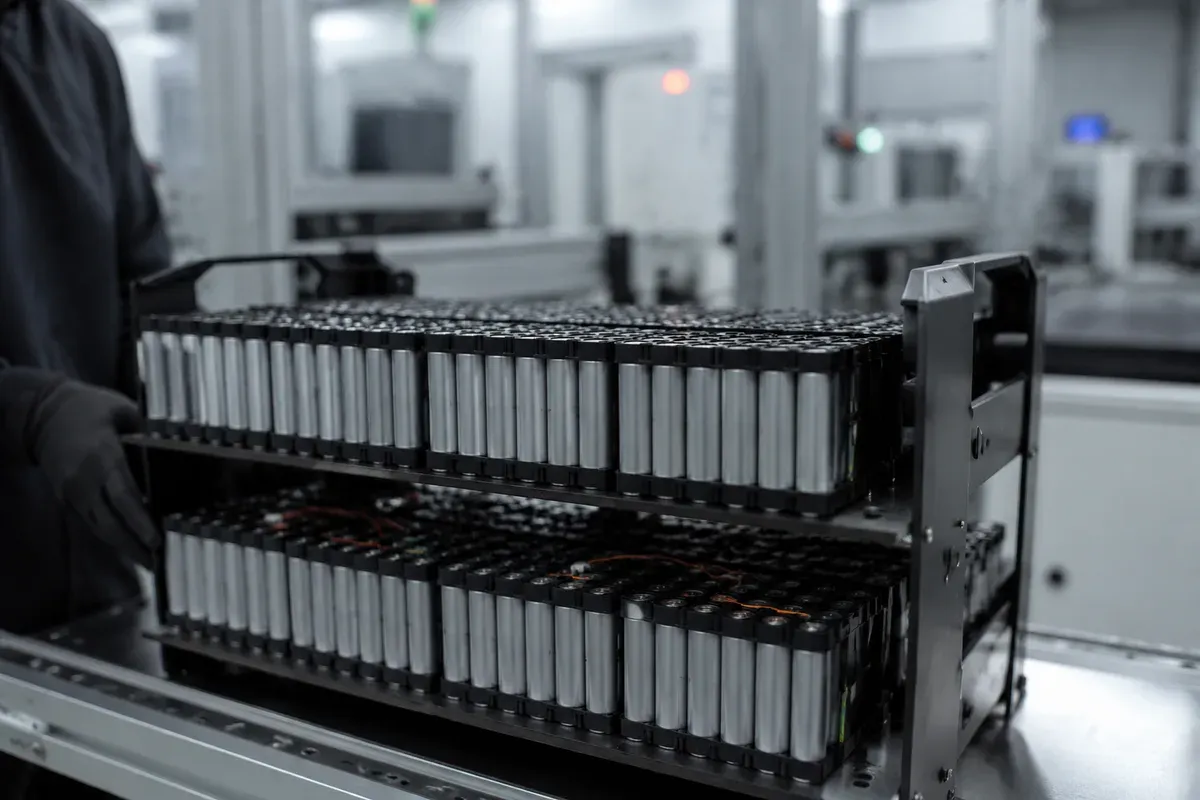
In our process, formation cycling is stage two: after incoming inspection, before assembly. All cells undergo formation cycles to activate the electrolyte and establish baseline capacity, and are then graded into capacity bins within ±2% for matched assembly.
The sequence matters. Binning on pre-formation capacity would sort cells on a number that is about to change.
Where the data goes afterwards
Ask whether formation happens at their facility or is taken on trust from the cell manufacturer, and whether the resulting capacity data is retained per lot.
Retained data is what makes cell traceability meaningful — it links a finished pack back to measured cell performance rather than to a purchase order. A factory that formation-cycles but records nothing has done the work and kept none of the evidence.
Working on a pack specification?
Send us the voltage, capacity, current draw, and target markets. We reply with a specification you can review rather than a price with no working shown.